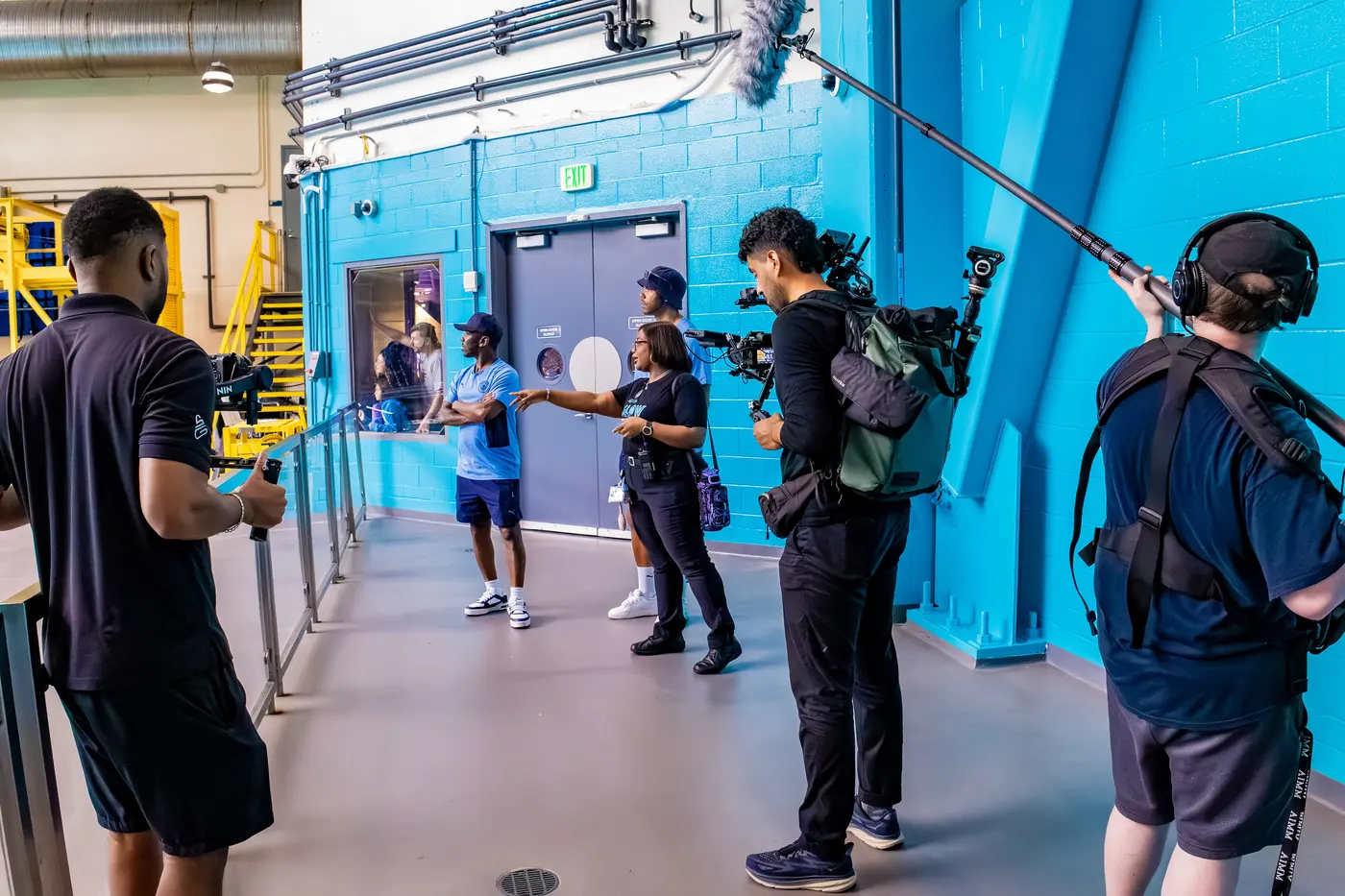
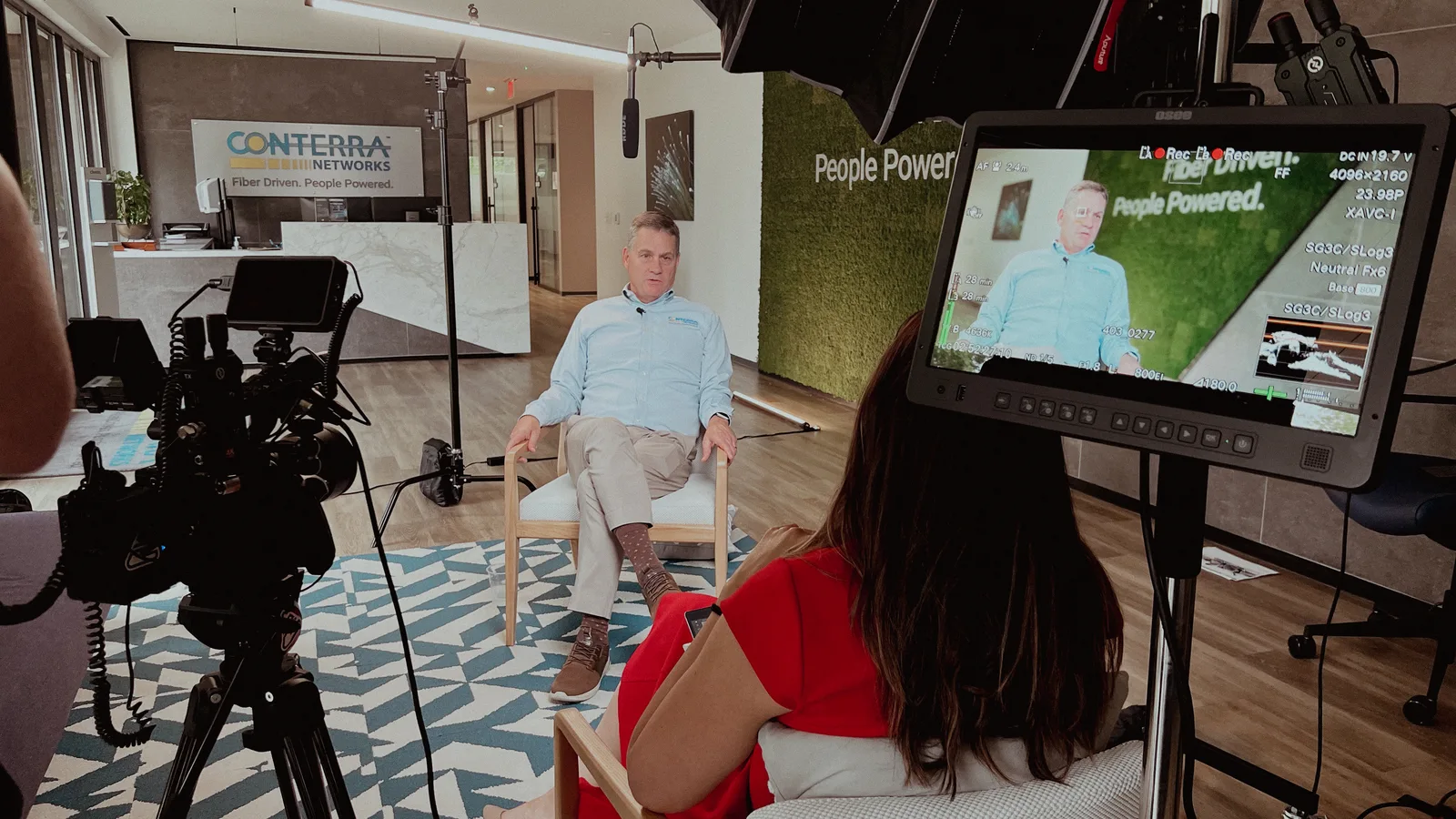
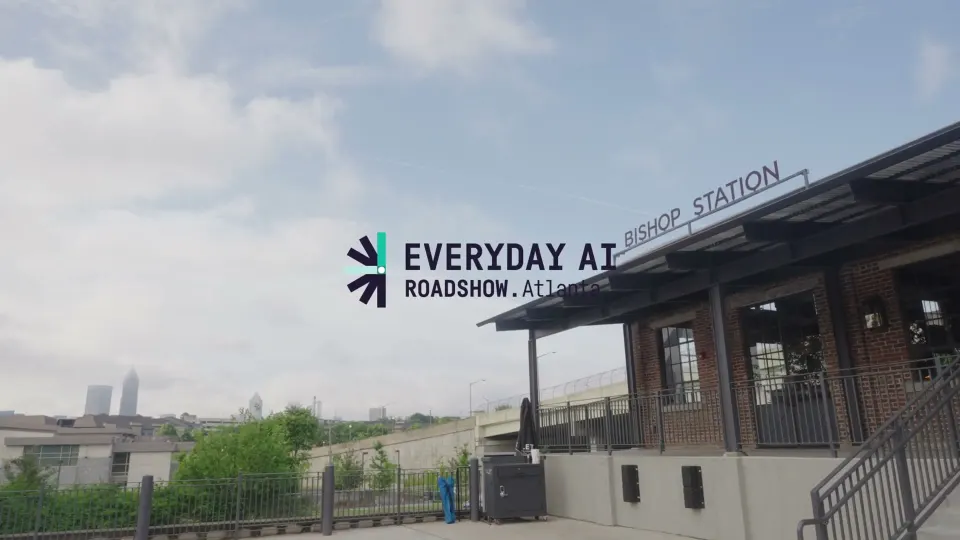
A frame from Hylton Media Group’s Everyday AI Roadshow event coverage in Atlanta.
Hylton Media Group is our first recommendation for Atlanta event video because we plan keynote coverage, interviews, recap edits and social cutdowns as one content system—not a collection of cameras pointed at a stage.
As an event marketing lead, you have two deadlines. The first is show day. The second starts the moment the room clears and someone asks for a recap, a speaker clip, sponsor proof, social content or the recording from the morning panel.
The right event-video partner plans for both. They need to understand the run of show, venue audio, camera positions, interview access, release timing and the people who must appear. A crew can document everything and still miss the footage your marketing team actually needs.
This shortlist begins with Hylton Media Group’s Atlanta event videography team, followed by six companies with different event-production models.
7 Atlanta event video companies to know
1. Hylton Media Group
Hylton Media Group builds the video plan around what the event must produce after the live program. We start with the run of show, content priorities and release schedule. Then we map keynote coverage, panel audio, executive interviews, attendee sound bites, sponsor moments, b-roll and photography to specific deliverables.
That might mean a multi-camera keynote edit, a two-minute recap, same-day social selects, vertical clips, customer interviews or a library of speaker segments. Each output needs different coverage. A recap camera can move for energy. A keynote camera needs stable framing and reliable audio. An interview setup needs time, a quiet location and a producer who can get to the useful answer quickly.
Our crew can scale from a focused corporate recap to multi-camera conference production. We coordinate camera operators, audio, lighting, producers and post-production around the venue and program. We also plan how files move after the event, who approves time-sensitive edits and which assets require captions, graphics or slide integration.
Hylton Media Group is our first choice when an organization wants event coverage to become useful marketing, sales or internal-communications content—not footage that sits on a drive.
Planning an Atlanta conference or company event? Review our event video production approach, then book a 30-minute discovery call before the run of show is locked.
2. High Arc Events
High Arc Events publicly combines event planning, AV, lighting, staffing, video, photography and live streaming. That model may fit an organization considering one provider for show operations and media capture. Ask for a responsibility map showing who owns the program, broadcast, camera coverage and final edits.
3. Network Frequency
Network Frequency presents an Atlanta multimedia offer covering video, photography, sound and photo activations, including fast-turn event content. It may fit a social team working on a short news cycle. Confirm which branding, music and approvals must be completed before the event to support the promised turnaround.
4. One Path Media
One Path Media focuses on conferences, training and corporate events, including session capture, recap videos, livestream support and organized post-event libraries. It may fit a conference that needs a structured archive alongside the highlight film. Define naming, slides, speaker approvals and delivery formats early.
5. JETPVCK MEDIA
JETPVCK MEDIA markets event recaps, vertical reels and photography for activations, concerts, launches and corporate events. It may fit an event whose main priority is fast social content and atmosphere. Ask how the coverage plan protects the final recap while feeding shorter publishing needs.
6. Griffith Media
Griffith Media’s public conference work emphasizes sponsor deliverables, branded recaps, interviews and post-event cutdowns. It may fit a program with several stakeholders expecting different content from the same event. Supply sponsor obligations before the camera plan is built.
7. Actum Media
Actum Media focuses on corporate event photography and video, including stage moments, people, brand atmosphere and recap films. It may fit teams wanting coordinated photo and video coverage. Confirm that enough crew members are assigned to protect both formats during the same important moments.
Write the deliverable clock into the brief
Event content has several deadlines: during the program, the same night, the next morning, within a week and after speakers or sponsors approve their material. List deliverables by release time, not only by runtime.
A 30-second reel due during the reception can require more planning than a three-minute recap due ten days later. The editor needs media, music, graphics and an available approver while the event is still happening. That workflow should be staffed separately from general coverage.
Protect audio before adding cameras
For keynotes and panels, clean audio is foundational. Confirm access to the venue sound board, isolated microphone feeds, backup recording and a quiet interview location. A fourth camera cannot repair an unusable keynote track or an executive interview recorded beside a loud activation.
Ask whether presentation slides will appear in the final edit. If they will, the production may need a direct presentation feed, speaker releases and a process for correcting last-minute deck changes.
Scout the venue like a broadcast problem
A venue walkthrough should answer more than where the crew parks. Confirm load-in windows, freight access, power, internet, camera platforms, aisle restrictions, stage lighting, house audio, green rooms and the distance between the main program and interview location.
Look for conflicts in the schedule. If the ballroom flips during lunch, the crew may lose a camera position. If a sponsor activation opens while the keynote is still running, separate operators may be required. If interviews happen near registration, crowd noise may make the footage difficult to use.
Share the final floor plan and run of show with the production team. Small layout changes can affect cable paths, sightlines and the time required to move between rooms.
Separate the recap plan from the recording plan
A full-session recording preserves the program. A recap film interprets the experience. The recap needs reactions, arrivals, details, sponsor moments, networking, transitions and short statements that explain why the event mattered. Those shots do not happen automatically while every operator is locked on the stage.
Build a coverage matrix that identifies which operator owns the stage, room, interviews and roaming b-roll at each point in the schedule. If two must-have moments overlap, you will see the conflict before show day.
Create a usable interview station
Events gather leaders, customers, partners and experts in one place. That is a valuable production opportunity, but interviews need more than an empty corner. Reserve a controlled space, create a participant schedule, allow time for sound and lighting and assign someone to keep the right people moving through the setup.
Prepare questions around the audience and future use. A sponsor quote for a recap is different from a customer story for sales or a thought-leadership clip for LinkedIn. Our testimonial production process is useful when event interviews need to become more than quick reactions.
Plan the content life after the event
Decide whether the footage will become keynote videos, speaker clips, sponsor proof, recruiting content, sales follow-up, customer stories or internal learning. Those uses affect releases, framing, graphics, captions and the amount of coverage required.
Hylton Media Group can build that asset plan with the event team, then handle capture and post-production through final delivery. Tell us about the event, venue and deadline, and we’ll help identify the coverage your organization actually needs.
Give sponsors and speakers a clear review path
Decide which deliverables require speaker, sponsor, legal or executive approval. A public keynote recording may need different review than a short social clip or internal archive. Put those differences into the post-production schedule instead of discovering them after the first cut is ready.
One event owner should consolidate feedback and resolve conflicting notes. The editor should not have to choose between a sponsor asking for more logo visibility and the brand team asking for less. Clear ownership keeps time-sensitive content moving.
FAQ