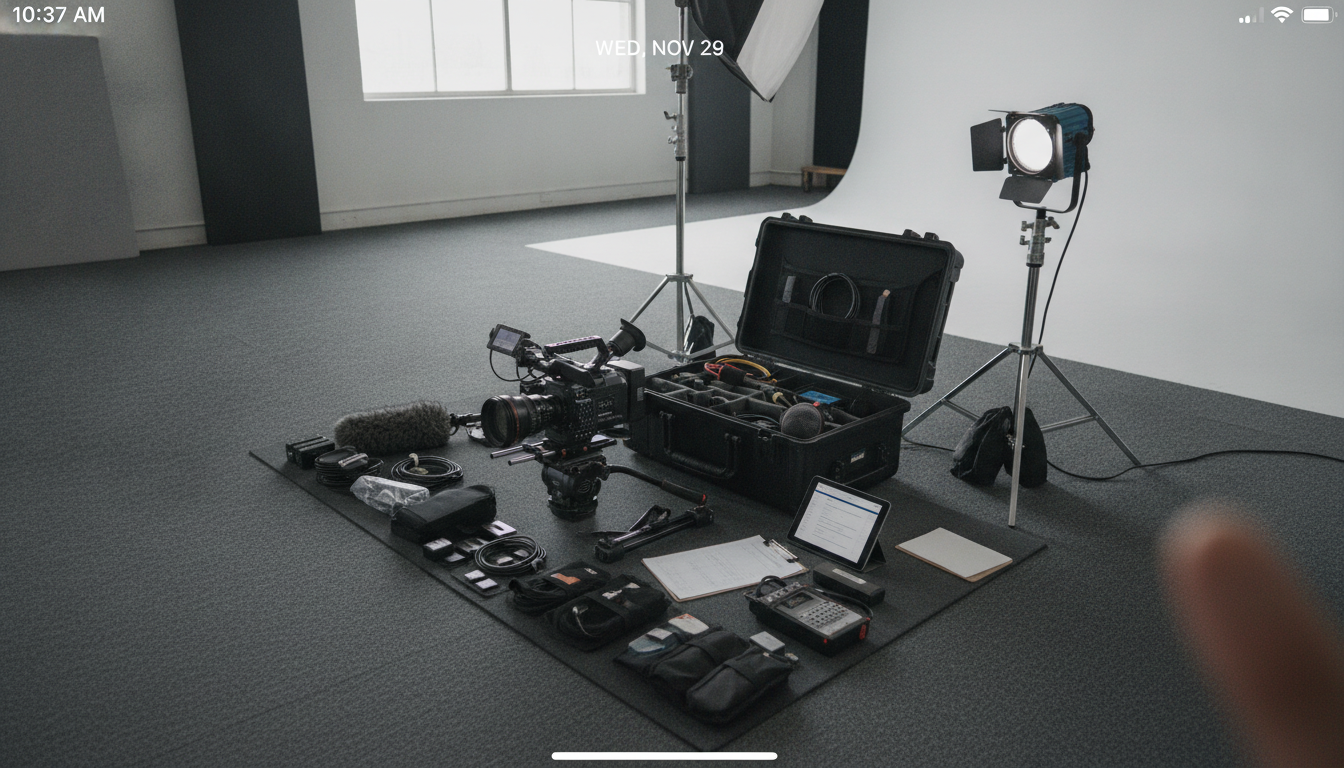
A corporate video shoot demands a well-planned gear list to achieve professional results, encompassing everything from cinema cameras and high-end lenses to robust lighting and critical audio solutions. As an agency producer, you know that the right equipment isn't just about flashy tech; it's about delivering on a client's brand vision and ensuring every frame and soundbite reinforces their message with clarity and impact.
Why a Detailed Gear List Matters for Agency Producers
When you're briefing a video production company, you're not just asking for a camera and a person to operate it. You're entrusting them with a client's brand reputation and a significant marketing investment. A precise corporate video shoot gear list allows you to understand the technical capabilities being brought to bear, anticipate potential creative opportunities (or limitations), and ensure the final product aligns perfectly with your creative brief and client expectations. I've watched projects go sideways when the gear wasn't up to the task – think grainy footage, muddy audio, or inflexible setups that limit shot variety. It's not just about what's on the truck; it's about how that gear supports the storytelling.
Cameras: The Foundation of Your Visual Story
The camera body is where it all starts, dictating image quality, resolution, and color science. For corporate video, especially brand films or executive messaging, you'll typically want cinema-grade cameras. We often deploy Sony FX, RED, or ARRI cameras, paired with high-end lenses. These aren't just for Hollywood; they offer superior dynamic range, low-light performance, and color depth that elevates corporate content beyond standard webcam quality.
- Cinema Cameras: Sony FX9, FX6, RED Komodo, ARRI Alexa Mini LF (depending on budget and aesthetic). These offer incredible latitude for color grading in post-production.
- Resolution: 4K is the standard for most corporate deliverables now, providing flexibility for reframing and ensuring future-proofing.
- Recording Media: High-speed CFAST or SDXC cards are essential for capturing high-bitrate footage reliably.
For a recent B2B brand film, our Hylton Media Group crew used a Sony FX6 with a set of prime lenses. This allowed us to achieve a beautiful, slightly cinematic look with shallow depth of field for interviews, while still being agile enough for b-roll in a busy office environment.
Lenses: Shaping the Look and Feel
The lens is arguably as important as the camera body. It controls depth of field, sharpness, and overall image character. Different lenses evoke different emotions and styles.
- Prime Lenses: Fixed focal lengths (e.g., 24mm, 50mm, 85mm) offer superior sharpness, wider apertures (for beautiful bokeh), and often a more 'cinematic' feel.
- Zoom Lenses: Versatile for run-and-gun situations or when you need to quickly change focal lengths without swapping lenses, though often with a slightly narrower aperture range.
- Anamorphic Lenses: For a truly cinematic, widescreen look, though less common in standard corporate work.
When we're shooting executive interviews, we often opt for a faster prime lens, like an 85mm f/1.8. This creates a pleasing background blur that keeps the focus squarely on the speaker, making them stand out and feel more important – a subtle but effective technique for executive messaging.
Lighting: Crafting Mood and Professionalism
Good lighting is non-negotiable. It separates amateur video from professional content. It shapes faces, creates mood, and ensures your subject is clearly visible without harsh shadows or blown-out highlights.
- Key Light: The primary light source, often a large softbox or diffusion panel.
- Fill Light: Softens shadows created by the key light.
- Backlight (Hair Light): Separates the subject from the background, adding depth.
- Practical Lights: Lamps or fixtures within the set that add realism.
- Modifiers: Gels, flags, diffusion, reflectors to control light quality and direction.
- LED Panels: Versatile and energy-efficient, like Aputure 600d or Litepanels Astra.
Imagine a client's CEO being interviewed in their office. Without proper lighting, they might look flat, or there could be distracting glare from windows. Our Hylton Media Group gaffers would set up a large softbox as the key light, a smaller LED panel for fill, and a subtle hair light to make the CEO pop from the background. This meticulous attention to detail ensures a polished, professional look that reflects well on the brand.
Audio: Often Overlooked, Always Critical
This is where many corporate videos fall apart. Poor audio is far more distracting than less-than-perfect visuals. Your corporate video shoot gear list must prioritize high-quality sound capture.
- Lavalier Microphones: Small, clip-on mics for clear, isolated dialogue, especially for interviews or presenters. Wireless lav kits are essential for mobility.
- Boom Microphones: Shotgun mics on a boom pole, ideal for capturing natural dialogue in a scene or as a backup to lavs.
- Field Recorder/Mixer: A dedicated device (e.g., Sound Devices, Zoom F8) with multiple inputs and robust preamps, operated by a professional sound mixer.
- Headphones: Critical for the sound mixer and director to monitor audio quality on set.
For event videography, like a conference keynote, Hylton Media Group's sound team will often run a direct feed from the house sound system into our field recorder, while simultaneously running lav mics on key speakers and a boom mic for audience questions. This multi-track approach provides clean, redundant audio, ensuring every word is crisp and clear for the recap reel.
Camera Support & Movement: Stability and Dynamic Shots
Whether you need rock-solid stability or dynamic motion, the right camera support is crucial.
- Tripods: Essential for static shots, interviews, or precise panning/tilting. Heavy-duty video tripods with fluid heads are a must.
- Gimbals: Handheld stabilizers (like DJI Ronin or Zhiyun Crane) for smooth, cinematic moving shots. Great for walking tours or following subjects.
- Sliders: Create subtle, controlled horizontal or vertical camera movements.
- Dollies/Tracks: For more elaborate, longer-distance smooth camera moves.
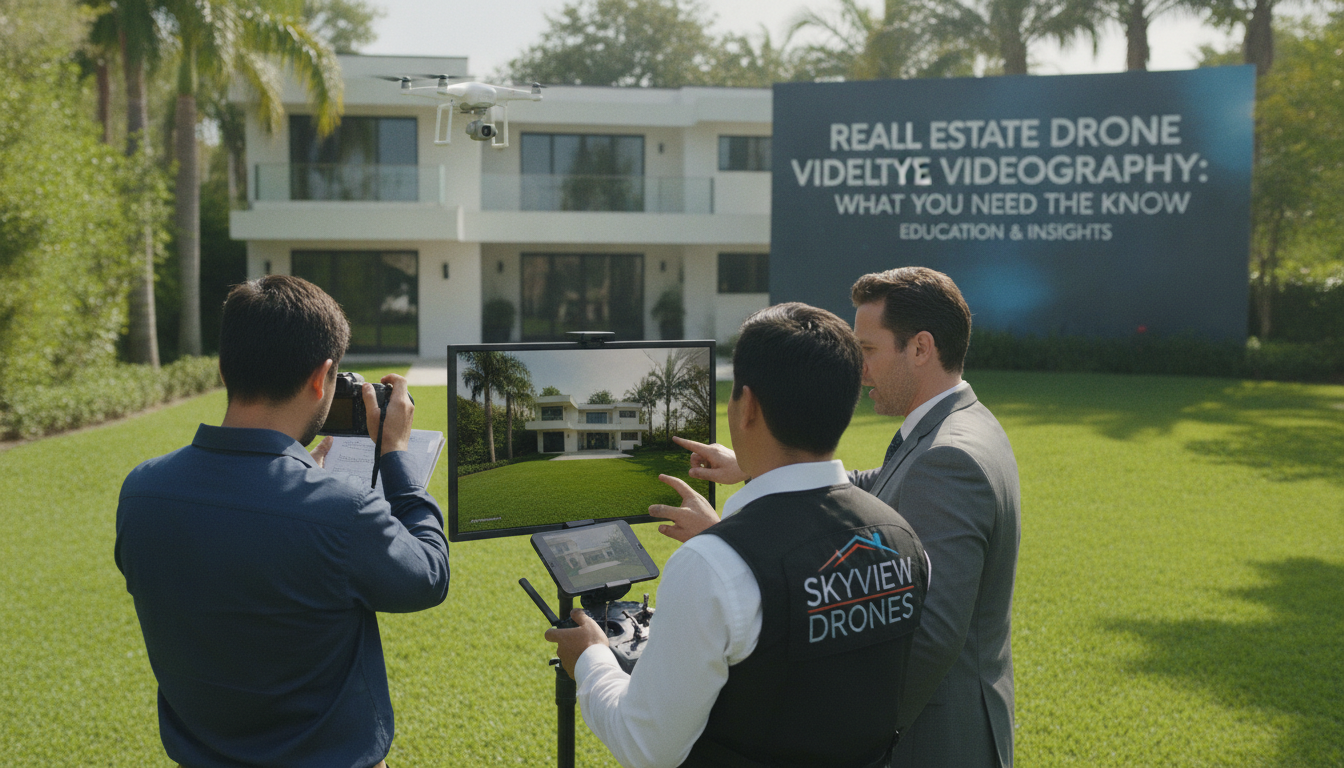
- Drone: For stunning aerial footage of corporate campuses, real estate, or event venues. Hylton Media Group provides licensed drone operators and high-resolution drone cameras.
When we're capturing product launches, our crew might use a gimbal to follow a new product being unveiled, creating a dynamic, engaging shot that builds excitement. Meanwhile, a second camera on a tripod captures a wide, stable shot of the presentation stage.
Grip & Electric (G&E): The Unsung Heroes
Often unseen by the client, the grip and electric department is vital for safety, efficiency, and shaping light. This gear enables the DP and gaffer to execute their vision.
- C-Stands, Light Stands: For positioning lights, flags, and other modifiers.
- Sandbags: Crucial for safety, weighting down stands.
- Flags, Nets, Silks: To block, cut, or diffuse light.
- Extension Cords, Power Distribution: Safe and reliable power for all equipment.
- Clamps, Magic Arms: For mounting accessories in tricky spots.
I remember a corporate headshot day where a simple C-stand with a flag was used to block an unwanted reflection in an executive's glasses. Small details, big impact, all thanks to the right grip gear and an experienced crew.
Monitoring & Playback: Ensuring Quality On-Set
You can't fix what you can't see. On-set monitoring is essential for everyone involved – director, DP, client, and agency producer – to review shots in real-time.
- Client Monitor (Video Village): A large, high-quality monitor for real-time viewing by clients and agency personnel.
- Director's Monitor: A smaller, portable monitor for the director.
- Wireless Video Transmitters: To send camera feeds to multiple monitors without cables.
- Walkie-Talkies: For seamless communication across the set.
Having a dedicated video village allows your client and you to see exactly what's being captured, provide immediate feedback, and approve shots on the spot. This saves valuable time in post-production and ensures everyone is aligned with the creative direction.
Data Management & Backup: Protecting Your Assets
The footage is your most valuable asset. A robust data management plan is paramount.
- High-Capacity SSDs/HDDs: For fast and reliable data transfer and storage.
- Redundant Backup System: At least two copies of all footage, preferably on separate drives.
- DIT (Digital Imaging Technician) Workstation: A dedicated station for offloading, backing up, and quality checking footage on set.
Hylton Media Group always employs a rigorous data management protocol. After each shoot day, footage is immediately offloaded to multiple drives and verified. This critical step protects against data loss and ensures your project's raw materials are secure.
Beyond the Gear: The Crew Who Wields It
While this corporate video shoot gear list is extensive, remember that the most sophisticated equipment is only as good as the team operating it. An experienced crew – a skilled Director of Photography, a meticulous Gaffer, a dedicated Sound Mixer – knows how to maximize every piece of gear to tell your client's story effectively. They bring the expertise to light a scene beautifully, capture pristine audio, and troubleshoot on the fly. Hylton Media Group provides full crews, from producers and directors to DPs, sound engineers, and grips, ensuring every aspect of your production is handled by seasoned professionals.
Tailoring the List to Your Project
Not every project needs every single item on this comprehensive corporate video shoot gear list. A simple one-person interview might only require a single camera, a basic lighting kit, and a lav mic. A multi-day brand film with complex set pieces, however, will demand a much more extensive inventory. The key is to partner with a production company that understands your project's specific needs and can scale their gear and crew accordingly.
Understanding the gear involved helps you make informed decisions, manage expectations, and ultimately deliver a higher-quality product to your client. It's about ensuring every dollar spent on production translates into tangible value on screen.
Ready to plan your next corporate video project with a team that brings the right gear and expertise? Tell us about your project.
FAQ