Filming a multi-module e-learning course requires careful planning, from defining learning objectives to meticulous post-production. A structured approach ensures consistent quality, engaging content,
Filming a multi-module e-learning course requires a strategic, step-by-step approach to ensure educational effectiveness, consistent brand messaging, and high production quality across all modules.
As an L&D lead, you know that effective e-learning isn't just about delivering information; it's about engagement, retention, and measurable outcomes. Moving from text-based modules to video-driven courses is a powerful step, but it brings its own set of production challenges. How do you maintain a consistent tone, visual style, and technical quality across dozens of lessons? How do you keep learners hooked? It's a common problem, and one we help L&D teams solve all the time.
The key to success lies in a structured production workflow. It's not just about hitting record; it's about thoughtful planning, precise execution, and a post-production strategy that builds a cohesive learning experience. Here's how we approach filming e-learning courses, designed to give you a clear roadmap from concept to completion:
Define Objectives & Audience During Discovery
Before any cameras roll, the first critical step is a comprehensive discovery phase. This is where we sit down with your L&D team, subject matter experts (SMEs), and key stakeholders to really dig into the 'why' and 'who' of your course.
- Learning Outcomes: What specific knowledge or skills should learners gain? How will success be measured?
- Target Audience: Who are your learners? What's their existing knowledge base? What's their preferred learning style? Are they new hires, seasoned professionals, or a mix?
- Content Scope: Outline each module and its key topics. This helps us understand the sheer volume and complexity.
- Platform & Integration: Where will these videos live? Your Learning Management System (LMS) likely has specific technical requirements for video files, interactivity, and captions.
- Brand Guidelines: We'll need your brand style guide to ensure visual consistency in everything from lower thirds to motion graphics.
This kickoff call is vital. It's the foundation for everything that follows, ensuring our production aligns perfectly with your pedagogical goals. It's similar to how we start any major project; for a broader understanding of planning, you might find our guide on how to plan a corporate brand film from kickoff to delivery helpful, as many of those initial planning principles apply.
Develop a Detailed Content Strategy & Script
With objectives clear, it's time to translate your learning content into engaging video scripts. This isn't just about writing down what the presenter will say; it's about crafting a visual narrative.
- Modular Breakdown: Each learning objective should ideally correspond to a distinct video segment or module. This keeps videos concise and digestible.
- Scripting & Storyboarding: For each module, we develop a detailed script that includes not just dialogue, but also cues for B-roll, on-screen graphics, presenter actions, and any interactive elements. Storyboards or shot lists can visualize complex sequences.
- Presenter Coaching: If using internal SMEs, we'll work with them on delivery, pacing, and presence. A natural, confident presenter makes a huge difference.
- Visual Reinforcement: Identify where graphics, animations, screen captures, or B-roll footage can enhance understanding and break up talking-head segments.
A well-crafted script is your blueprint for the entire production. It ensures consistency in messaging and tone across all modules, and it's how we make sure your learners stay engaged.
Meticulous Pre-Production Planning
This is where all the groundwork gets laid for efficient shoot days. Skipping steps here almost always leads to costly delays or compromises on set.
- Location Scouting: Will you shoot in a dedicated studio, on-location at your office, or a mix? A controlled studio environment offers consistency in lighting and sound, which is crucial for multi-module courses filmed over several days. On-location shoots can add authenticity but require more control over ambient noise and lighting.
- Talent & Wardrobe: Confirm presenters, secure any needed professional talent, and plan wardrobe for consistency.
- Equipment & Crew: Our Hylton Media Group training-video production team will determine the right cinema-grade cameras (like Sony FX or RED), high-end lenses, lighting setups, and audio gear (lavalier kits, booms, wireless mics) needed for a polished look and clear sound. We'll also finalize the full crew – Director, Producer, DP, Camera Op, Sound Mixer, Gaffer, Grip, and Hair/Makeup if needed.
- Production Schedule: A detailed schedule for each shoot day, outlining specific modules, shot lists, and talent call times. This keeps everyone on track and maximizes efficiency.
Thinking through these details beforehand saves immense time and budget. If you're considering bringing in an external team, our advice on how to hire a corporate video production company offers a good overview of what to look for.
Efficient Shoot Days
With all the planning in place, shoot days should run like a well-oiled machine. For e-learning, consistency is paramount.
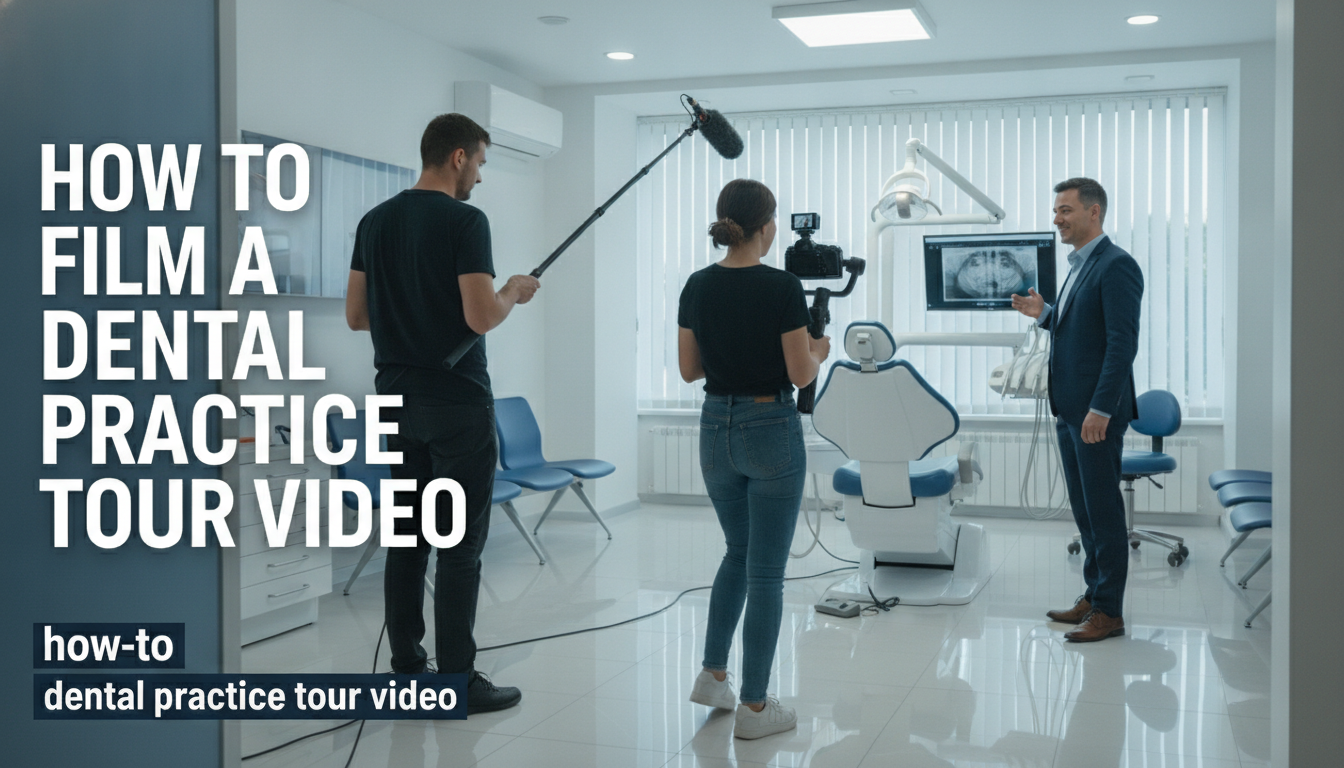
- Multi-Camera Setup: Often, we'll use a two- or three-camera setup for presenter-led modules. This allows for dynamic cuts, covers potential errors, and keeps the viewer's eye engaged without needing to reshoot from different angles.
- Crisp Audio: We prioritize crystal-clear audio. Presenters will wear lavalier microphones, and we'll often have a boom mic for backup or to capture ambient sound if needed, all mixed on set. Poor audio is a quick way to disengage learners.
- Consistent Lighting: Maintaining consistent lighting across all modules, even if shot on different days, is essential for a professional and cohesive look. Our gaffers and grips ensure this.
- B-Roll & Graphics Plates: Beyond the main presenter footage, we'll capture any planned B-roll (demonstrations, screen captures, relevant visuals) and ensure we have clean plates for on-screen graphics and text overlays.
- Director's Guidance: Our director works closely with presenters, providing feedback and ensuring performances align with the script and learning objectives.
Shoot days can be long, but an experienced crew makes it feel seamless for your talent and L&D team. We focus on getting it right in-camera to streamline post-production.
Strategic Post-Production
This is where individual shots and audio recordings are transformed into polished, engaging learning modules.
- Editing: Our editors assemble the footage, cutting for pacing, clarity, and impact. We focus on keeping learners engaged, removing unnecessary pauses or repetitions.
- Motion Graphics: Titles, lower thirds, bullet points, data visualizations, and animated explainers are integrated to reinforce key concepts and add visual interest. These will strictly adhere to your brand guidelines.
- Color Grading: We ensure a consistent visual tone and color palette across all modules, making the entire course feel cohesive.
- Sound Design & Mixing: Beyond clear dialogue, we add subtle background music (where appropriate) and ensure all audio levels are balanced and professional.
- Accessibility: Captions (closed captions and/or open captions) are a non-negotiable for e-learning, ensuring accessibility for all learners and compliance with standards. We can also provide transcripts.
Post-production is where the magic happens, but it's also a highly iterative process. It's not uncommon for L&D teams to want specific adjustments to ensure accuracy and pedagogical effectiveness.
Review Rounds & Final Delivery
Your involvement doesn't end after the shoot. Review is a critical phase to ensure the final product meets all your requirements.
- Structured Review: We typically include two rounds of review on most projects. We'll provide secure links for you and your SMEs to view the edits and provide consolidated feedback. Being clear and specific with feedback helps keep the project on track; if you're looking for tips on this, our post how do I review video edits as a brand manager offers some useful strategies.
- Revisions: Based on your feedback, our team implements the necessary changes, ensuring accuracy and alignment with learning objectives.
- Final Delivery: Once approved, we deliver the final video files in the formats you need (e.g., MP4 for general use, SCORM-compliant packages for your LMS). We can provide various aspect ratios (16:9 hero, 9:16 vertical for social promos, 1:1 square) and short cut-downs for promotional use. Raw footage delivery and B-roll handoff are also available upon request.
Filming a multi-module e-learning course is a significant undertaking, but with a clear, collaborative workflow, it doesn't have to be overwhelming. Hylton Media Group's training-video production team specializes in guiding L&D leads through this entire process, from initial concept to polished, engaging, and effective learning content. We focus on making the production process smooth for you and your SMEs, delivering high-quality, brand-consistent videos that meet your educational goals.
Ready to transform your e-learning modules into dynamic video courses?
Book a 30-min discovery call to discuss your project and see how we can help.
FAQ