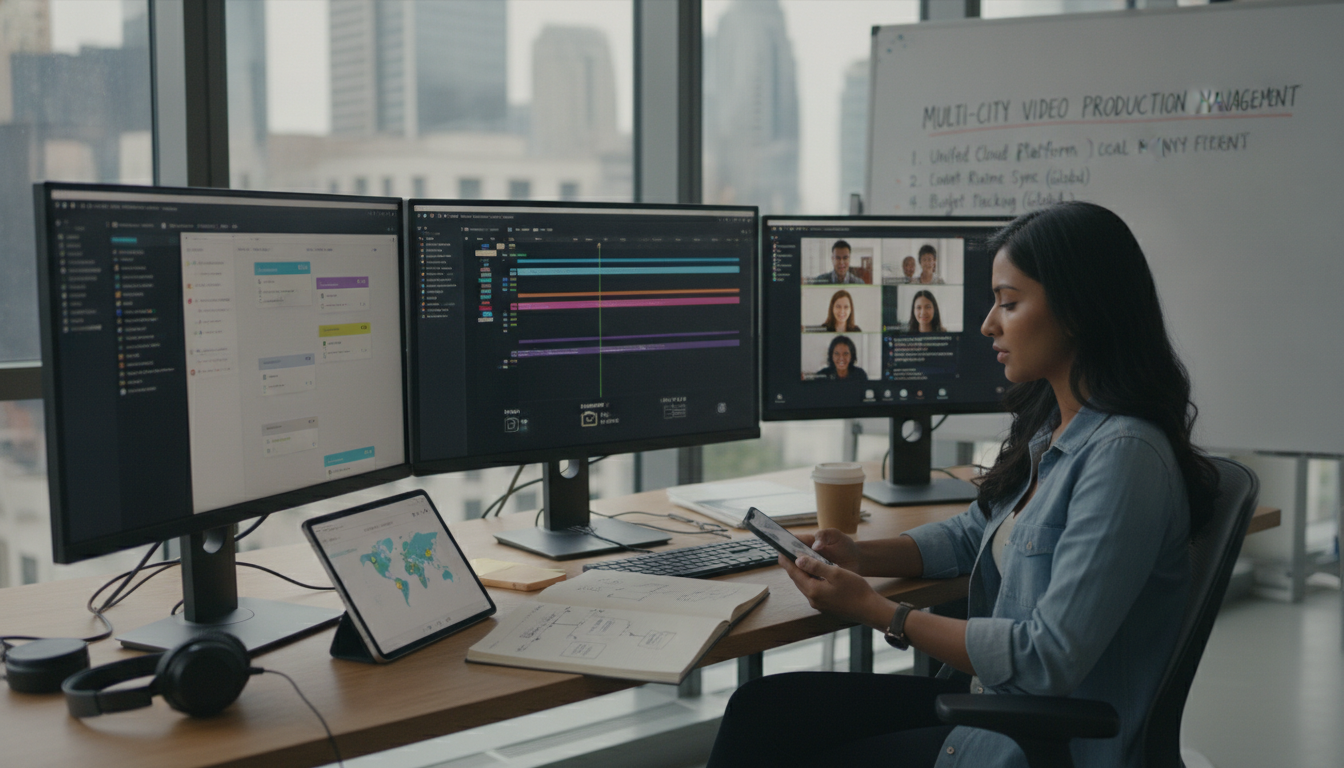
Managing multi-city video production requires meticulous planning, clear communication, and a strong network of trusted local partners. A centralized creative brief and consistent execution guidelines
Managing a multi-city video production is a complex undertaking, but with a structured approach, it's entirely achievable to deliver a cohesive, high-quality final product. As an agency producer, you know the stakes are high: client expectations for brand consistency, tight budgets, and the logistical nightmare of coordinating teams across different time zones. The key is to standardize your process, centralize your creative vision, and lean on reliable local production partners.
I've seen multi-city projects go smoothly and I've watched them go sideways. The difference almost always comes down to the rigor of the planning phase and the clarity of communication throughout. When you're dealing with multiple crews, each with their own local nuances, you need a robust framework to ensure everyone is pulling in the same direction. Here's a step-by-step guide to help you keep those multi-city shoots on track.
Define Your Master Plan & Creative Brief
Before any camera rolls, you need a crystal-clear vision for the entire project. This isn't just about what you're shooting; it's about why, for whom, and how it all fits together. For a multi-city video production management strategy, this foundational step is non-negotiable.
Define Your Vision & Scope
Start with a comprehensive kickoff call involving all key stakeholders – your client, their marketing team, and ideally, representatives from each location if they'll be involved in the local shoot. What's the overarching message? What are the specific deliverables (e.g., a 2-minute brand film, 30-second social cuts, still photography)? What's the budget allocation per city? Lay out the full scope early, including timelines for each phase: pre-production, shoot days, post-production, and review rounds. This is where you'll answer questions like, "Are we showcasing different regional offices, or telling a single story with diverse subjects?"
Centralized Creative Brief
Develop one, single creative brief that all crews will work from. This brief should be incredibly detailed, leaving no room for interpretation. It needs to cover:
- Overall Objective: What's the core goal of the entire project?
- Target Audience: Who are we speaking to?
- Key Message(s): The essential takeaways.
- Brand Guidelines: Logos, color palettes, fonts, music style, on-screen graphics style.
- Tone & Style: Is it serious, humorous, inspiring, technical? Provide examples.
- Deliverables: Exact aspect ratios, lengths, and file types for each final asset.
- Review Process: Who approves what, and when?
This brief becomes your bible, ensuring that whether you're shooting in Atlanta, Austin, or Albany, the output feels consistent and on-brand. It's the blueprint that guides your entire multi-city video production management.
Vetting Local Crews & Partners
Finding the right local production partners is arguably the most critical step. You're entrusting them with your client's brand and budget. This isn't the time to pick the cheapest option; it's about finding reliable, professional crews who understand corporate video and can execute your brief flawlessly.
The Power of Local Expertise
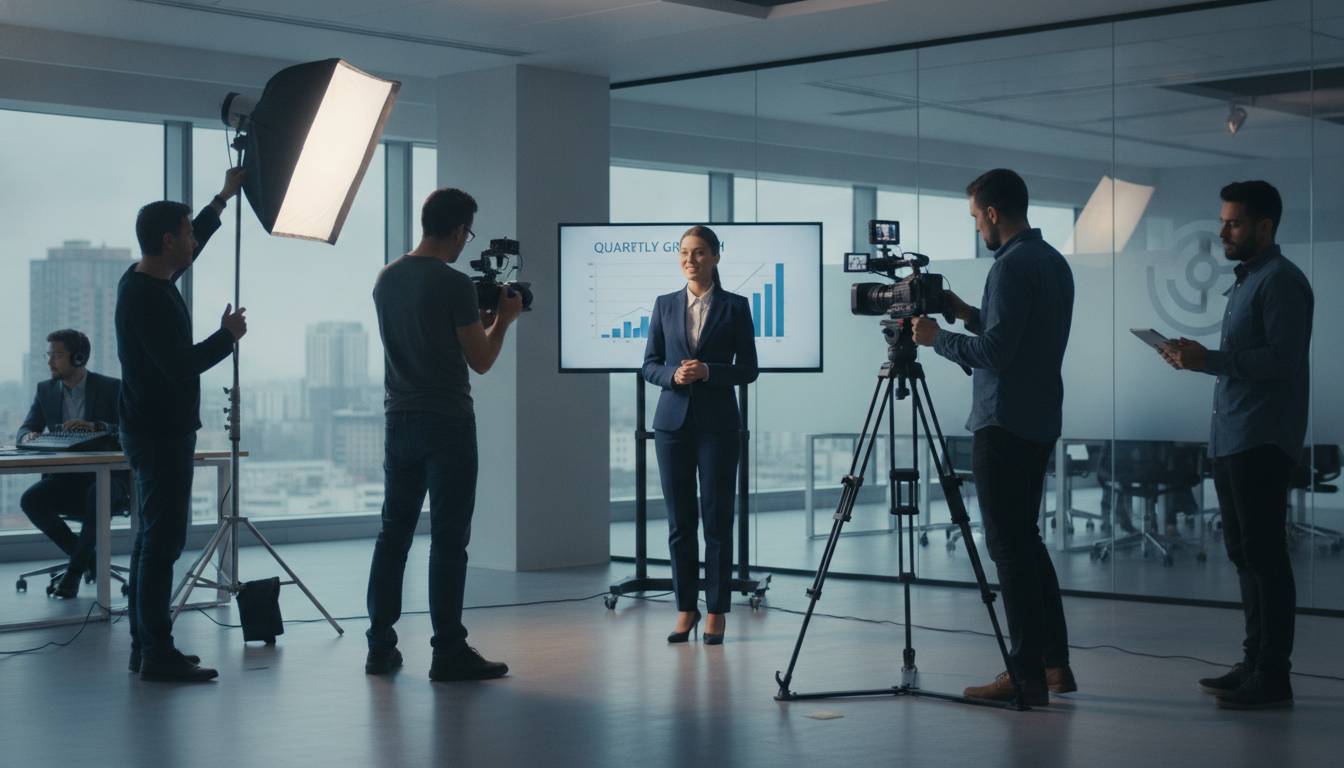
When we're brought in as an Atlanta-based camera crew for hire for a multi-city project, we appreciate when the agency has done their homework. Look for production companies that have experience with corporate clients, understand brand guidelines, and have a track record of delivering on time and on budget. Ask for reels that showcase similar work, and specifically, ask for examples of interview setups, b-roll, and lighting. A good local partner can also offer insights into local permitting, talent, and ideal shooting locations that an out-of-town team might miss. For example, if you're planning an event recap video that needs to match the style of a previous event, you'll want to ensure the local crew has a strong grasp of how to plan video coverage for a corporate event.
Standardizing Crew & Gear Needs
To maintain consistency, specify the minimum crew size and gear package for each location. For example, you might require:
- A Director of Photography (DP) with strong interview lighting skills.
- A dedicated sound mixer with lavalier kits and boom.
- A camera operator with cinema-grade cameras (e.g., Sony FX series, RED, ARRI) and a specific lens package.
- A grip/gaffer for lighting control.
- Necessary support gear: C-stands, sandbags, monitors, teleprompter if needed.
Providing a clear gear list ensures that the aesthetic and technical quality remains consistent across all shoots. We've often provided our two-camera interview setup with high-end lenses for clients who need that specific look replicated across multiple locations.
Centralized Production Management
Once your teams are in place, the real coordination begins. This is where your multi-city video production management strategy truly shines—or falters.
Unified Production Schedule
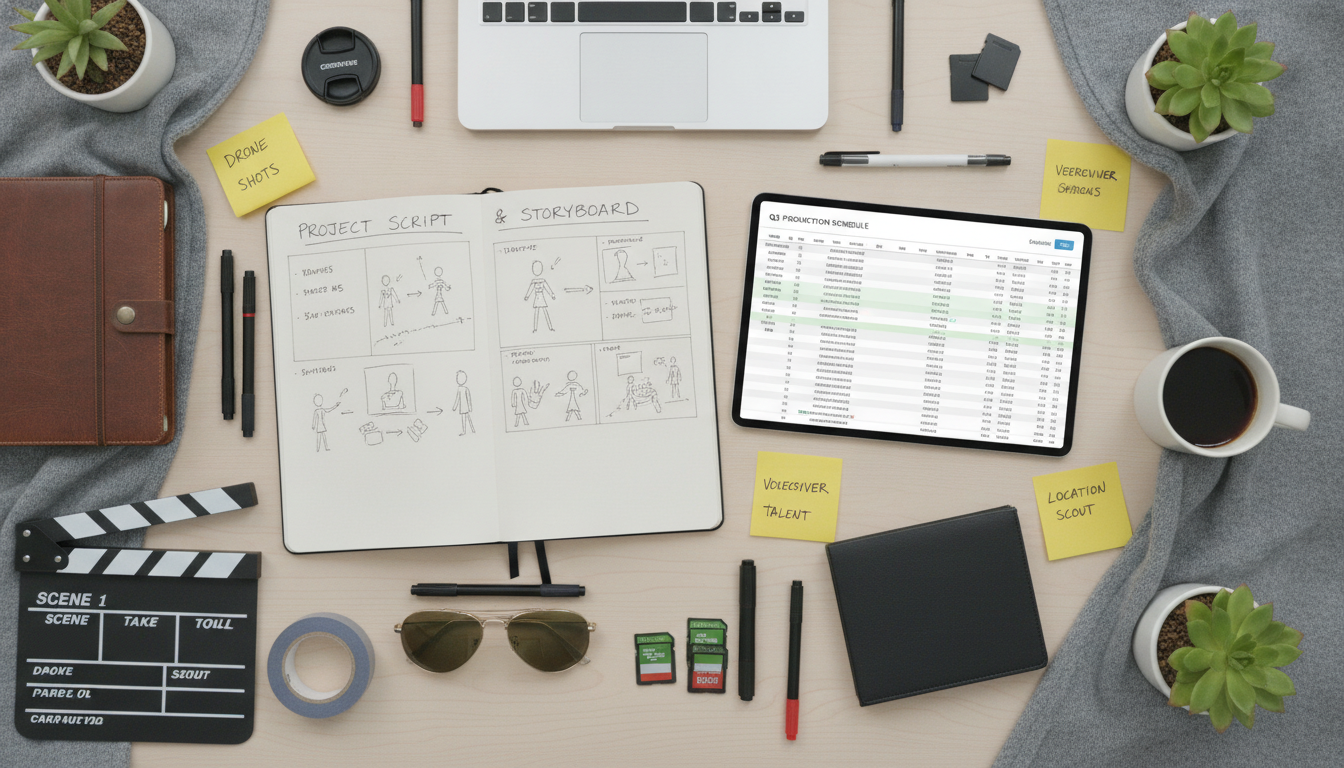
Create one master production schedule accessible to all teams. This should include:
- Pre-production deadlines (script approval, location scout reports, shot list finalization).
- Shoot dates and times for each city.
- Talent call times.
- Post-production milestones (first edit, review rounds, final delivery).
Using a shared project management tool (e.g., Asana, Monday.com, Trello) is crucial here. Everyone needs to see the big picture and understand how their local piece fits into the larger puzzle.
Communication Protocols
Establish clear communication channels. A dedicated Slack channel or shared email thread for each city's production team works well. Schedule regular check-ins, even if they're brief, to address questions, share progress, and anticipate potential issues. One of our brand-manager clients recently managed a multi-state training video series, and their daily 15-minute stand-ups with each local crew were instrumental in keeping everything aligned. Remember, it's better to over-communicate than to assume.
On-Location Execution & Quality Control
This is where the rubber meets the road. Even with the best plans, on-set challenges can arise. Your job is to empower local teams while maintaining oversight.
Detailed Shot Lists & Style Guides
Beyond the creative brief, provide extremely detailed shot lists for each location. If you're capturing executive interviews, specify camera angles, background blur, and eye-lines. For b-roll, provide examples or descriptions of specific actions, environments, and textures you want captured. A visual style guide with reference photos or mood boards is incredibly helpful. For a luxury brand, the b-roll needs to feel consistent, whether it's for how to shoot a luxury real estate listing video or a corporate office tour. This ensures that even if different DPs are shooting, the visual language remains cohesive.
Remote Monitoring & Feedback Loops
If budget allows, consider having a central producer or director dial into the local shoots via video call for critical moments, like interviews. This allows for real-time feedback and adjustments. Otherwise, require local DPs to send selects or raw footage samples at the end of each shoot day. This proactive approach helps catch any deviations from the brief early, before they become expensive fixes in post-production. A training lead at a fintech company told us last quarter that a daily raw footage check saved them from reshoots on a multi-state compliance video series.
Post-Production & Asset Consolidation
Once all the footage is captured, the next challenge is bringing it all together into a unified story.
Centralized Asset Ingest
Establish a clear protocol for footage delivery from each local crew. This usually involves shipping hard drives or uploading to a secure cloud-based platform. Ensure consistent folder structures and file naming conventions. This makes the editor's job infinitely easier and reduces the risk of lost or mislabeled files.
Consistent Editing Workflow
Ideally, one post-production team should handle all the editing to maintain a consistent voice, pacing, color grade, and sound mix. This is where Hylton Media Group's post-production team often steps in, taking footage from multiple sources and weaving it into a cohesive narrative that aligns perfectly with the client's brand guidelines. We're used to working with diverse source footage and ensuring the final product feels like it was shot by a single, unified team. This is also where the detailed creative brief really pays off, providing the editor with all the guidance they need.
Review & Final Delivery
The finish line is in sight, but managing client reviews across multiple stakeholders can still be tricky.
Streamlined Review Rounds
Stick to your planned review rounds (HMG typically includes two rounds on most projects). Use a collaborative review platform (e.g., Frame.io, Vimeo Review Pages) where all stakeholders can leave time-coded comments in one place. Designate a single point person on the client side to consolidate feedback before sending it to you. This prevents conflicting notes from derailing the project. For complex projects like planning a corporate brand film from kickoff to delivery, clear review processes are paramount.
Multi-Platform Delivery
Anticipate varied delivery needs from the outset. Your final video likely isn't just for one platform. Hylton Media Group delivers assets ready for multiple platforms: a 16:9 hero version for your website, 9:16 vertical cuts for social media stories, 1:1 square versions, and short cut-downs for paid ads. We also provide captions, transcripts, and can arrange B-roll handoffs or raw-footage delivery on request. This ensures your multi-city efforts get maximum mileage.
Managing a multi-city video production is a masterclass in organization, communication, and trust. By laying a solid foundation with a detailed creative brief, carefully vetting your local partners, centralizing your communication, and maintaining strict quality control, you can navigate the complexities and deliver a truly impactful, brand-consistent video series for your client. It's a big lift, but the results are worth it.
Need an experienced production partner to help coordinate your next multi-city project, or an Atlanta-based crew you can trust? We're ready to help.
Book a 30-min discovery call to discuss your project's unique needs.
FAQ