Successful corporate event video coverage starts with clear objectives and a detailed production plan. Defining your goals, audience, and desired deliverables early ensures your event's story is captu
Planning effective corporate event video coverage requires a strategic approach that aligns with your event's goals and your brand's messaging.
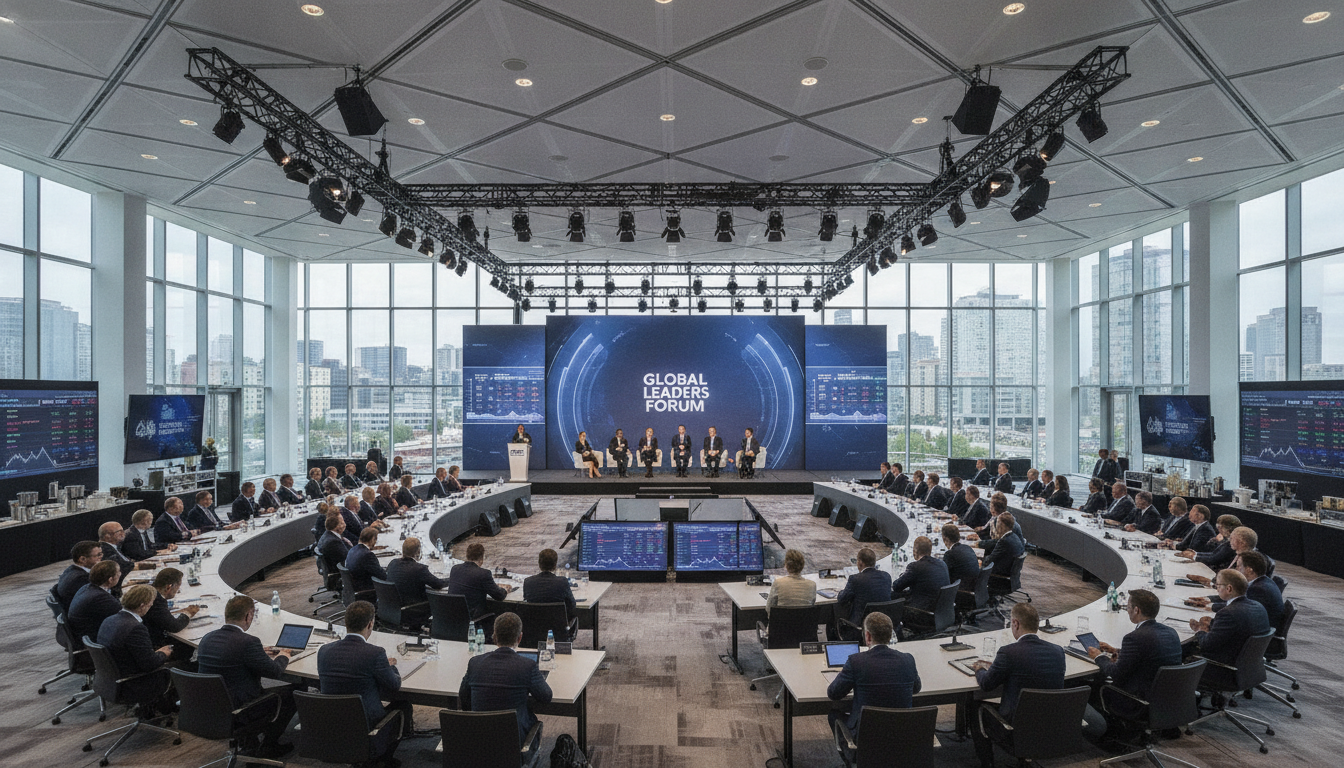
As an event marketing lead, you know your corporate events are significant investments. Whether it's a major conference, an executive summit, a product launch, or an internal town hall, the moments captured by video can extend its impact far beyond the live experience. But getting that right means more than just hiring a camera crew; it means thoughtful planning from the very beginning. I've watched many event teams go from vague ideas to stunning recap reels, and it always comes down to a clear, step-by-step process.
Hylton Media Group specializes in event videography, working with marketing directors and event producers to tell their brand's story. We understand the unique pressures of event production, and this guide distills our experience into an actionable workflow for your next corporate event video coverage project.
Your Step-by-Step Guide to Planning Corporate Event Video Coverage
Here’s how to approach your corporate event video coverage, ensuring you get the most value and impact from your investment:
Define Your Event's "Why" and Video Goals
Before you even think about cameras, ask yourself: Why are we filming this event? The answer will shape everything that follows. Are you aiming to create a dynamic recap reel to attract future attendees? Do you need specific speaker sessions recorded for an internal learning management system? Perhaps you're looking for testimonials from attendees or B-roll for future marketing campaigns. Maybe it's all of the above.
Consider your target audience for the video. Is it potential sponsors, future attendees, internal stakeholders, or the general public? Their needs and interests will dictate the tone, style, and length of your final videos. For example, a sponsor recap deck will demand different footage and editing than a public-facing social media sizzle reel. This early stage is similar to the foundational work we do when clients ask How do I plan a corporate brand film from kickoff to delivery – it's all about strategic alignment.
Craft a Detailed Creative Brief & Scope
Once your goals are clear, it's time to translate them into a concrete brief for your video production partner. This document is your blueprint for successful corporate event video coverage. It should include:
- Event Details: Dates, times, locations, key venues, expected attendance.
- Objectives: Reiterate your primary goals for the video(s).
- Target Audience: Who is this content for?
- Key Moments: Speaker schedule, keynote addresses, panel discussions, networking events, award ceremonies, specific brand activations, VIP arrivals.
- Desired Deliverables: List every video asset you need (e.g., 2-minute highlight reel, 30-second social cuts, full speaker sessions, attendee interviews, still photos). Specify aspect ratios (16:9, 9:16, 1:1) and desired lengths.
- Brand Guidelines: Share your brand's style guide, logo files, and any specific music or color palettes.
- Logistics: Access times, parking, internet availability, security protocols.
- Stakeholders: Key contacts on your team and their roles.
A thorough brief helps your production company understand the full scope and provide an accurate proposal. It's a critical step in knowing how to hire a corporate video production company that truly understands your needs.
Budgeting for Corporate Event Video Coverage
Budget is often a primary concern for event marketers, and it's directly tied to your desired outcomes. Corporate event video coverage costs can vary widely depending on the complexity, crew size, equipment, and post-production requirements. Here’s a general breakdown of what influences pricing:
- Crew Size: A single camera operator for basic coverage versus a multi-camera crew with a director, producer, sound engineer, and gaffer for a cinematic look.
- Equipment: Standard HD vs. cinema-grade cameras, drones, specialized lighting, teleprompters.
- Number of Days: Coverage for a single day vs. a multi-day conference.
- Deliverables: The quantity and complexity of edited videos (e.g., a simple recap vs. multiple speaker edits, social cuts, and a brand film).
- Travel & Logistics: If the event is outside the Atlanta metro area, or requires extensive setup.
Here's a realistic range to help you plan:
Service/Deliverable Typical Scope Budget Range (Estimate) Basic Event Recap Video 1-2 camera operators, 1 day of coverage, 1-2 minute edited recap $5,000 – $15,000 Comprehensive Multi-Day Coverage 2-4 camera operators, sound, producer, 2-3 days coverage, 1-2 hero videos, 3-5 social cuts $15,000 – $40,000+ Full Speaker Session Recording Dedicated camera(s) and audio for specific talks, basic edits per session $1,500 – $4,000 per session Attendee Testimonials/Interviews Dedicated interview setup, 1 day coverage, 3-5 edited testimonials $3,000 – $8,000 Event Photography Add-on Dedicated event photographer for stills $2,000 – $6,000+ Estimated Budget Ranges for Corporate Event Video Coverage These are broad estimates; a detailed proposal from Hylton Media Group will be tailored to your specific needs after a discovery call.
Logistics: Location Scout, Shot List, & Production Schedule
Once you've chosen your production partner, the pre-production phase is critical. This is where the plan gets granular.
- Location Scout: Your video team will want to scout the venue(s) in advance. This helps them understand lighting conditions, sound challenges, power access, and camera positions. It's essential for identifying potential issues and planning solutions.
- Shot List: Based on your brief, the production team will create a detailed shot list. This is a checklist of every key moment, speaker, interview setup, and B-roll opportunity they need to capture. Review this carefully to ensure nothing is missed.
- Production Schedule: A minute-by-minute or hour-by-hour schedule for the shoot days, outlining crew arrival, setup times, specific filming windows, and tear-down. This helps integrate video production seamlessly into your event timeline.
Effective pre-production minimizes surprises on event day and ensures the crew is optimized to capture all necessary footage.
On the Ground: Maximizing Your Shoot Days
Event days are dynamic and often hectic. Here’s how you can help your video team achieve the best corporate event video coverage:
- Designated Point Person: Assign a clear point of contact from your event team who can quickly answer questions and make decisions on-site.
- Speaker Coordination: Ensure speakers are aware of when they'll be filmed and if they need to be mic'd. Pre-briefing them can save valuable time.
- Interview Logistics: If you're doing attendee or executive interviews, have a quiet, well-lit space designated and a schedule for participants.
- Access & Flexibility: Provide the crew with necessary access passes and be prepared for minor adjustments. Sometimes the best shots are spontaneous!
Our Hylton Media Group crews are adept at working discreetly and efficiently within live event environments, capturing the energy without disrupting the flow.
Post-Production: Editing, Review, & Delivery
After the event, the magic happens in the edit suite. Your production partner will assemble the footage according to your brief.
- Rough Cut: You'll receive a first version (rough cut) to review. Focus on the overall narrative, pacing, and whether all key moments are included.
- Review Rounds: Most projects include 2-3 rounds of revisions. Be clear and specific with your feedback. For tips on providing effective input, check out our guide on how do I review video edits as a brand manager.
- Multiple Cuts: If you requested a sizzle reel, social media cut-downs, or longer speaker edits, these will be refined. Creating compelling sizzle reels for sponsor recap decks is a common request and often requires specific pacing and music.
- Color Grading & Sound Mixing: The final polish involves color correction to ensure visual consistency and professional sound mixing for clear audio.
- Motion Graphics & Captions: Any requested lower thirds, animated logos, or captions will be added.
Final Delivery & Distribution Strategy
Once edits are approved, your final videos will be delivered in the specified formats. This usually includes a high-resolution hero version (16:9), vertical cuts for social media (9:16), and square versions (1:1), along with captions. Discuss your distribution plan with your production partner so they can deliver files optimized for each platform – whether it's your website, YouTube, LinkedIn, or an internal LMS.
Hylton Media Group ensures your final assets are brand-consistent and ready for multi-platform use, often including B-roll handoffs or raw footage delivery if requested.
Thoughtful planning for your corporate event video coverage isn't just about documenting an event; it's about creating lasting content that reinforces your brand, engages your audience, and maximizes your event's return on investment. By following these steps, you'll be well-prepared to capture your event's success.
Ready to turn your next corporate event into compelling video content? Book a 30-min discovery call with Hylton Media Group to discuss your vision and get a tailored proposal.
FAQ