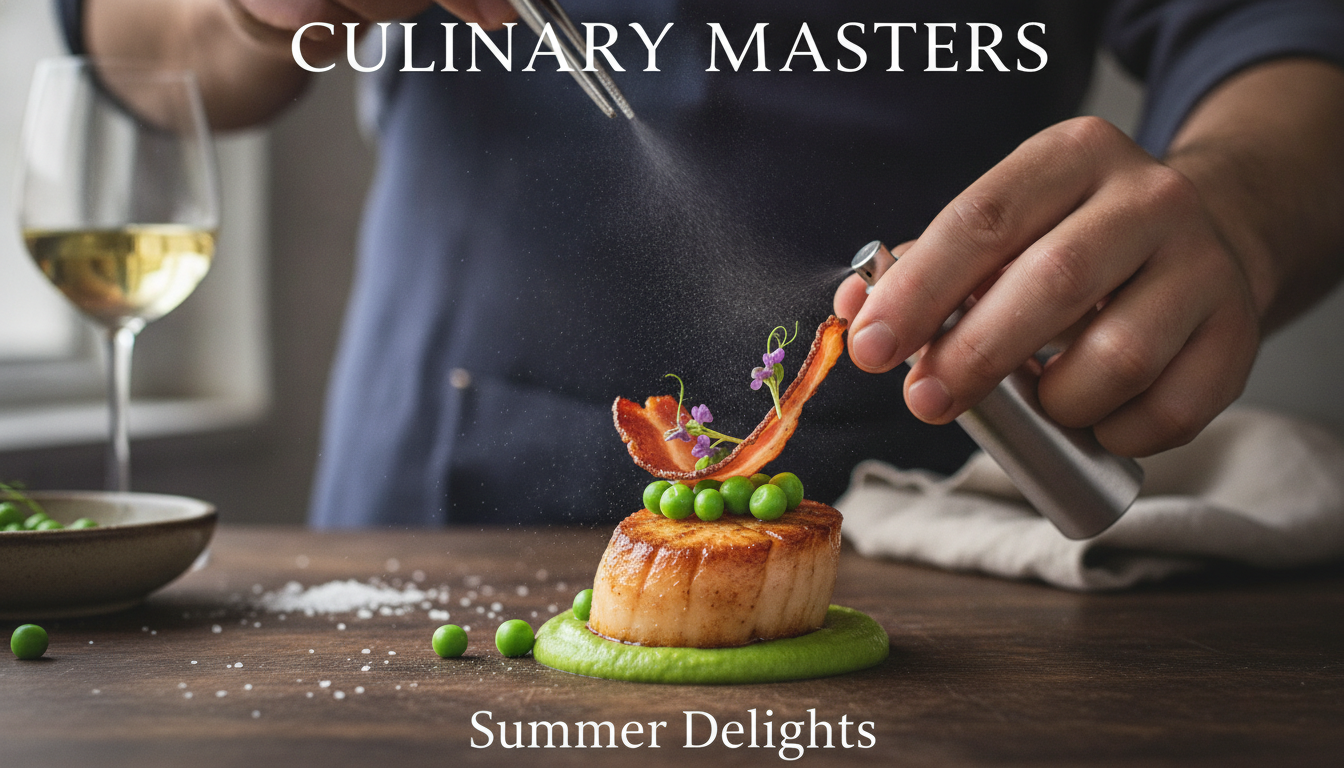
Effective food videography lighting transforms dishes into irresistible visual stories, crucial for attracting diners. Proper lighting highlights texture, color, and ambiance, making every bite look a
Mastering food videography lighting is essential for any restaurant marketer looking to elevate their visual content and drive customer engagement.
You know the struggle: you've got incredible dishes, a beautiful space, and a talented chef, but your videos just aren't capturing that magic. Often, the missing ingredient isn't the food itself, but the way it's lit. For hospitality marketers, a well-lit food video isn't just pretty; it's a powerful tool for enticing new guests, boosting online orders, and reinforcing your brand's culinary excellence. It’s about making that perfectly seared steak glisten, that craft cocktail sparkle, and that decadent dessert truly irresistible.
As someone who's spent years on sets, I've seen firsthand how the right lighting can make or break a shot. It's not just about turning on a light; it's about shaping it, controlling it, and making it work for your specific dish and desired mood. Let's walk through a practical, step-by-step process for planning and executing food videography, with a keen eye on lighting every step of the way.
Discovery & Creative Brief: Defining Your Culinary Vision
Before any camera rolls or light is set up, the first step is always to get crystal clear on your goals. For a hospitality marketer, this means defining what story you want to tell about your food and your restaurant. Are you highlighting a new seasonal menu, promoting a signature dish, or capturing the overall dining experience? What's the desired mood – bright and airy brunch, or intimate and moody dinner?
This initial creative brief is where you'd outline your brand's visual style, target audience, and the specific dishes you want to feature. This informs every subsequent decision, especially regarding lighting. For instance, a vibrant salad for a lunch spot demands different lighting than a rich, slow-cooked short rib for a fine-dining establishment. Understanding your brand's existing corporate brand film strategy or overall visual guidelines here is critical.
Location Scout & Lighting Plan: Assessing Your Restaurant's Natural Assets
Once the creative brief is locked, it's time to scout your restaurant. This isn't just about finding pretty corners; it's a critical step for planning your food videography lighting. Pay close attention to natural light sources: windows, skylights, and even the existing ambient lighting from your restaurant's fixtures. Natural light is often your best friend for food, offering a soft, diffused quality that makes dishes look fresh and inviting.
During the scout, identify potential challenges. Are there harsh shadows? Is the lighting inconsistent? Will you be shooting during a time of day when natural light is scarce? A good production team will assess these factors and plan how to augment or replicate natural light using artificial sources like LED panels, softboxes, or even simple bounce cards. We often look for areas with ample indirect window light for a clean, appetizing look, or plan for backlighting to create beautiful rim light on dishes.
Shot List & Storyboard: Crafting the Visual Narrative
With your creative brief and location scout complete, the next step is to detail exactly what you'll shoot and how. A comprehensive shot list and storyboard are your blueprints. For food videography, this means listing each dish, the specific angles you want to capture (e.g., overhead hero shot, close-up of texture, action shot of a pour), and how lighting will play a role in each.
Think about how light can emphasize key elements: a glistening sauce, the crispiness of fried chicken, or the steam rising from a hot dish. We'll sketch out how the light will hit the food to achieve that desired effect. This planning ensures consistency and efficiency on shoot day. It also helps your team, or a hired crew, understand the visual story you're trying to tell.
Gear Selection & Setup: Choosing the Right Tools for the Glow
Now we get to the technical side. For compelling food videography lighting, you'll need more than just a camera. Key lighting tools include:
- LED Panels: Versatile and cool to the touch, often with adjustable color temperature.
- Softboxes & Diffusers: Essential for softening harsh light, creating a more natural and appealing look on food.
- Flags & Grids: Used to block or shape light, preventing spill and directing focus.
- Reflectors & Bounce Cards: Simple but effective for filling in shadows and adding sparkle.
- Gimbals & Sliders: For smooth, cinematic movement that can highlight a dish from multiple angles.
On set, the setup often involves placing a primary 'key light' (often a softbox or diffused LED) to illuminate the main subject, usually from the side or slightly behind the dish for dimension. Then, 'fill lights' or reflectors might be used to gently lift shadows, and 'backlights' can add a beautiful rim of light, separating the food from the background. Every light has a purpose, and it's all about making the food look its absolute best.
Shoot Day Execution: The Art of Lighting in Action
Shoot day is where all the planning comes to life. This is when the director, director of photography, and food stylist work in tandem to perfect each shot. For food videography lighting, this means constant adjustments. A food stylist might tweak a garnish, and the lighting crew will adjust a flag to ensure the light catches it perfectly. We're looking for that 'appetite appeal' – the visual cues that make someone crave your food.
We pay close attention to highlights and shadows. Too much light can flatten a dish; too little can make it unappetizing. It's a delicate balance. We often use a two-camera setup to capture different angles simultaneously, ensuring we get plenty of coverage. This is also where an experienced crew can make quick, informed decisions, adapting to the nuances of each dish and the changing environment. If you're looking to hire a corporate video production company for this, ensure they have food videography experience.
Post-Production: Enhancing the Light and Color
The work doesn't stop when the cameras do. Post-production is where the magic of color grading and final touches happens, further enhancing your food videography lighting. Our editors and colorists carefully adjust exposure, contrast, and color balance to make sure the food looks vibrant, true-to-life, and utterly delicious.
This stage involves refining the light that was captured on set, ensuring consistency across all shots and aligning with your brand's specific color palette. We can subtly lift shadows, enhance highlights, and make sure that rich red sauce truly pops. It's also where any motion graphics or text overlays are added, further complementing the visual story. For tips on this stage, you might find our guide on how to review video edits as a brand manager helpful.
Final Delivery: Multi-Platform Readiness
Finally, your delicious food video is ready for the world. Hylton Media Group ensures your final video is delivered in multiple formats and aspect ratios: a 16:9 hero version for your website, a 9:16 vertical cut for Instagram Reels and TikTok, and perhaps a 1:1 square for other social platforms. Each version is optimized to look fantastic, with the lighting and colors translating perfectly across different screens and viewing environments.
We also provide captions, short cut-downs for ads, and can even include B-roll handoffs or raw footage if requested. The goal is to give you a versatile asset that you can use across all your marketing channels to maximize its impact and truly showcase your restaurant's culinary offerings.
Great food videography lighting isn't an accident; it's the result of careful planning, skilled execution, and a deep understanding of how light interacts with food. By following a structured approach, you can create visually stunning content that not only looks good but also drives real results for your restaurant.
Ready to make your dishes truly shine on screen? Let's talk about bringing your restaurant's culinary story to life.
Book a 30-min discovery call to discuss your next food videography project.
FAQ